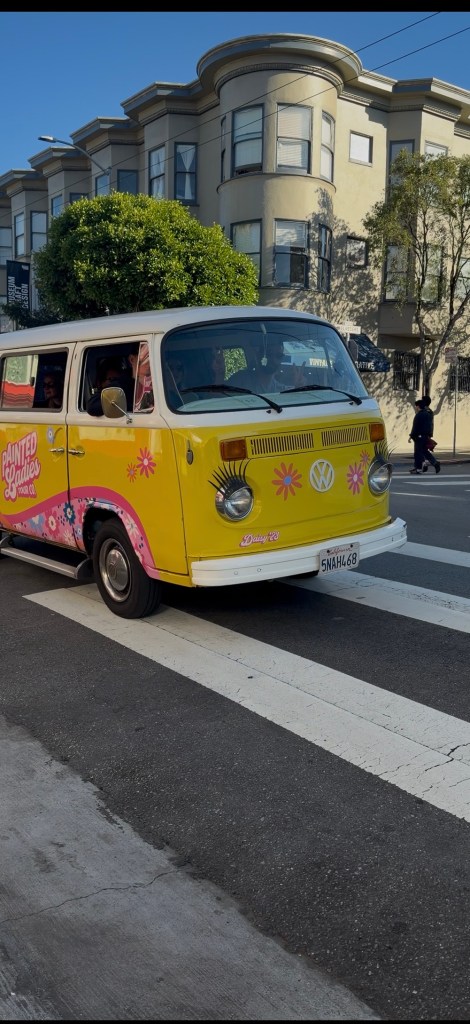
From one love to a neighborhood of disconnect and gentrification, San Francisco’s Haight-Ashbury became nationally recognized in the 1960s during the hippie movement. The basis of the movement was rooted in peace, love, and self-expression, the movement transformed the Haight into a cultural landmark.
“The Haight-Ashbury was the first place in the United States where there was no prejudice,” said longtime Haight local Clarence Brim.
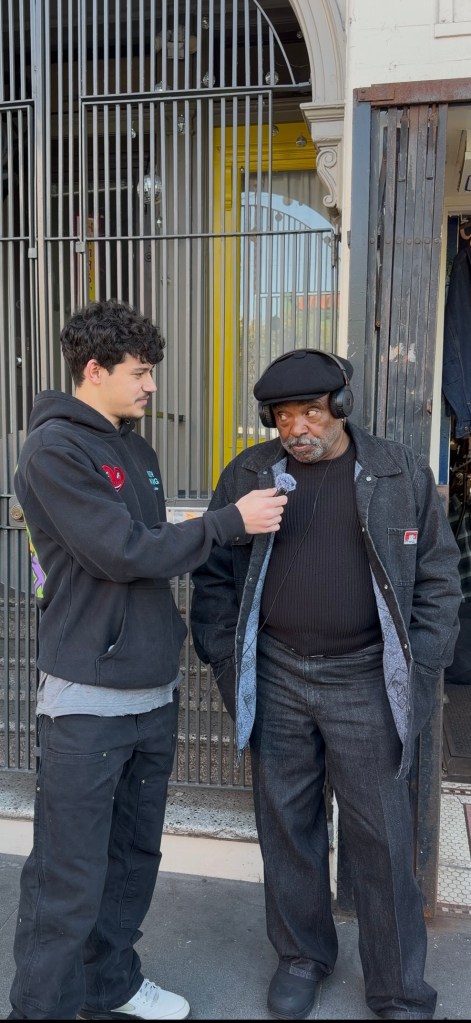
When draft dodgers arrived in the Haight during the Vietnam War era, the neighborhood became known for welcoming people from all backgrounds. Housing was affordable, and acceptance was central to daily life.
“There was no intermingling anywhere in the United States, but when they arrived in the Haight, that’s when the peace sign, love, and happiness came about,” Brim said.
As the hippie movement faded, the culture of the Haight began to shift. Over time the Haight began to be commercialized . Housing prices increased, and new businesses moved in, capitalizing on the neighborhood’s rich history.
“Back in the day nobody stole from each other and nobody harmed one another. Now in later years this place turned raggedy and they commercialized it,” Brim said.
According to Brim, that shift began around 1984, when the Haight became a more desirable location to outsider, and rising housing costs drove people out.
Many of the people who make up the Haight in 2026 are not true hippies and may not fully understand or represent the neighborhood’s original culture.
Despite longtime residents leaving and a new generation reshaping the area, traces of the Haight’s identity remain. Walking down the street, you can still feel the energy of its past. Psychedelic murals on the walls as well as tributes to icons such as Jimi Hendrix, who once lived in the neighborhood.
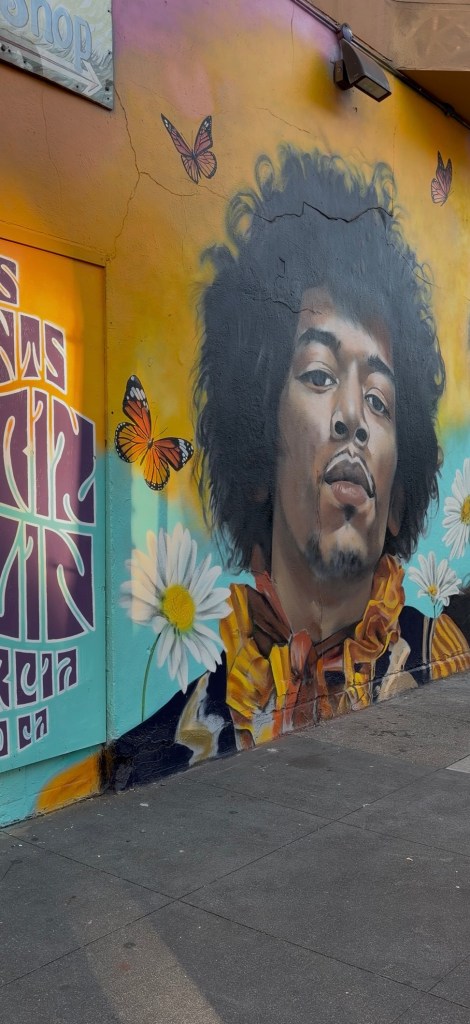
Vintage clothing stores and independently owned shops continue to reflect the creativity that defined the district decades ago.
Although commercialization has changed the Haight, it has not erased it. The neighborhood may look different and feel different than it did in the 1960s, but its spirit of individuality and expression still exists just in new forms. The Haight today stands as a reminder that culture evolves, but history never fully disappears.


Leave a Reply